
Which Types of Floors Cause Most Slip and Fall Accidents?
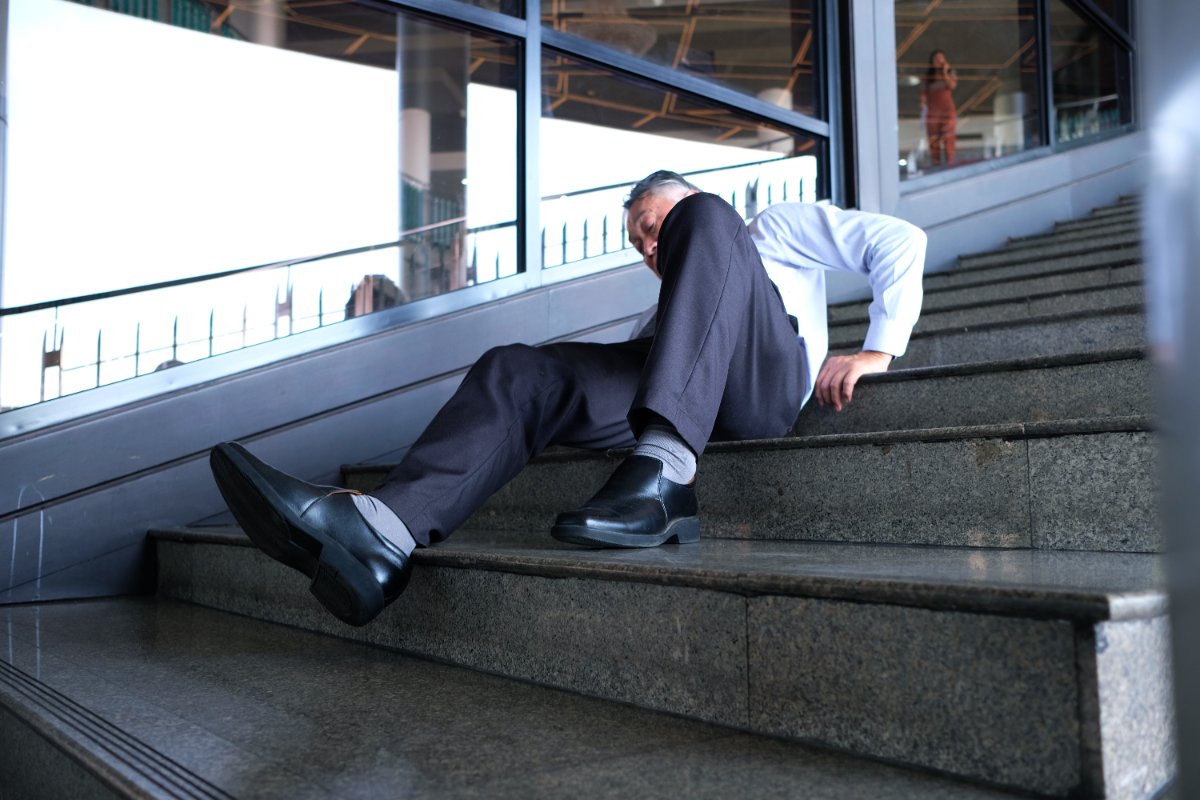 According to the National Safety Council (NSC), over 47,000 Americans died and countless more were injured in unintentional fall-related accidents in 2023. These accidents can occur for a variety of reasons, but many of these incidents could have been prevented with the right combination of foresight and protocol.
One commonly overlooked factor in slip and fall accidents is the floor material itself. Some kinds of floors pose greater risks than others, and there are precautions business and property owners can take to mitigate potential harm. Here’s a brief overview of the flooring types most commonly linked to injuries and an explanation of what you can do if you experience a slip and fall accident in Alabama.
Slip and fall accidents: At a glance
NSC data suggests that falls are some of the most common preventable accidents in work and residential settings. Over 8 million people went to the emergency room in 2023 for injuries related to unintentional fall accidents like slip and falls, and these cases accounted for roughly 35% of all nonfatal ER visits that year.
Just because slip and fall accidents are common does not mean they should be taken lightly. On the contrary, slip and fall accidents can result in serious injuries, and some cases even prove fatal. While elevated falls often pose greater safety risks than same-level falls, a fall from any height can do serious damage to individuals of any age.
Some injuries we commonly see in slip and fall cases include:
- Cuts
- Bruises
- Concussions
- Broken bones
- Spinal fractures
- Sprains and strains (often of the wrists and ankles)
Fall-related injuries can take time to heal, and many victims of these accidents end up missing work, school or other obligations over the course of their recovery process. These accidents can also come at high costs – particularly when they result in serious, long-term physical injuries. When slip and fall accidents occur as the result of a property owner’s negligence, injured victims may choose to file personal injury claims to help offset some of their economic and non-economic losses.
Floor materials commonly linked to slip and fall accidents
Houses, warehouses, retail stores, offices and other commercial properties all use different kinds of flooring as part of their architecture. Some flooring decisions are made based on aesthetic appeal, and others are influenced by use case and budgeting considerations. An industrial warehouse probably needs a different kind of floor than your average single-family home, just like an art gallery might need a different style floor than a doctor’s office or hair salon.
The challenge for many property owners is finding a flooring material that aligns with their needs without compromising on the safety of their employees, visitors or customers. For example, some popular industrial flooring materials are ideal for spaces prone to high foot or vehicle traffic but may pose additional risks in the event of a slip and fall accident.
Here are some examples of the floor types that may pose greater dangers to slip and fall accident victims:
Hard, smooth surfaces
Tile, marble, polished concrete and vinyl floors are popular in a variety of settings, but they are also some of the most dangerous surfaces to fall on due to their hard, inflexible nature. These materials are highly durable which makes them an economic choice for many property owners, but without the necessary maintenance and safety protocols in place, they can pose serious risks to slip and fall victims.
These floors are even more dangerous when they are wet, damaged or worn down because they don’t provide adequate traction, which makes slips and trips more probable. Home and business owners who employ these floor types should invest in the regular non-skid treatments and repairs to prevent unnecessary slippage and employ proper signage in public settings after spills and routine cleans and polishes.
Floors in moisture-prone areas
Even when floors have been properly treated and maintained, slip and fall risks are compounded in the presence of water and other moisture. Floors in spaces like public restrooms, locker rooms, kitchens and pool areas often see their fair share of standing water, which can pose present and future hazards to anyone passing through.
It might go without saying that a standing puddle of water poses enhanced slip and fall risks. What often gets forgotten, however, is the long-term danger posed by water exposure. Flooring materials that are poorly suited or insufficiently treated to withstand moisture can warp, decay or otherwise fail over time. This can further increase the risk of slip and fall accidents, so it’s important for property owners to tailor their flooring choices to the needs of their spaces and the people who inhabit them.
Uneven, transitioning and damaged surfaces
Slip and fall accidents commonly occur as the result of uneven flooring surfaces. This might look like areas where floor elevation or material changes or where damage has resulted in cracks, gaps and other trip hazards. Sudden changes in material or height can pose accessibility issues to individuals with mobility differences, but they can also cause just about anyone to lose their footing.
Signage can help mitigate some of these risks by calling attention to upcoming changes in material or elevation. Ongoing maintenance and repair efforts can also help property owners prevent damage from creating unnecessary safety hazards. Some upfront investment can go a long way in mitigating future harm.
Outdoor flooring
Outdoor flooring can also prove dangerous to folks who slip, trip and fall. Common outdoor flooring materials like brick, pavers and concrete are hard, rough and unforgiving. A sudden fall onto a hard slab of concrete can do both internal and external damage and result in broken bones, bruises, cuts and plenty of other injuries.
Sometimes, these surfaces can also become slippery due to weather conditions, climate and liquid spills. Pedestrians often don’t expect concrete or brick surfaces to be slick and slippery, which can slow their reaction time in the event that they suddenly lose their footing. Signage can help mitigate these risks, but maintenance is often the key to reducing harm on outdoor surfaces.
How does floor type impact slip and fall claims?
Some slip and fall accidents are unavoidable, but others could have been prevented with a little bit of care. Property owners generally have a duty to maintain reasonably safe premises for lawful visitors like customers and other invitees. That means if a property owner knew or should have known about a flooring hazard or failed to properly maintain their property’s floors, they may open themselves up to claims of liability in the event that someone is injured in a slip and fall accident.
What matters most here is proving negligence on the part of the business owner or third party responsible for maintaining the floor surface. If a business owner failed to invest in appropriate non-slip coatings, repair damage or tend to spills in a timely manner, a slip and fall victim may have grounds to file a personal injury or premises liability claim to help cover their accident-related costs.
What kinds of damages are available in slip and fall cases?
Slip and fall victims may be able to recover compensation for certain economic and non-economic damages related to their injuries. Even relatively minor slip and fall injuries can require medical intervention or cause victims to miss or scale back on work shifts. More serious accidents may result in extensive injuries that require intensive medical intervention and long recovery periods.
To help offset some of the costs associated with slip and fall accidents, survivors may choose to file claims for damages like:
- Hospital bills
- Emergency care expenses
- Prescription drug costs
- Rehabilitation or long-term care costs
- Physical therapy
- Lost wages
- Reduced capacity to work
- Therapy or psychiatric drug costs
- Pain and suffering
- Emotional distress
You and your personal injury lawyer can collaborate to determine the full value of your slip and fall claim and gather the supporting documentation you need to build a compelling case for compensation. In Alabama, there is no cap on the amount of compensatory (economic and non-economic) damages a plaintiff can receive in a personal injury case, so you and your legal team should work towards a settlement that will actually cover your past, present and future losses.
Keep in mind that Alabama follows one of the strictest contributory negligence systems in the country. That means if you’re found to have contributed to your own injuries in any way, you will be barred from recovering any compensation from the other at-fault party. Your personal injury lawyer can play a vital role in defending you against disingenuous claims of contributory negligence and compile all the information you need to demonstrate clear negligence on the part of the property owner or third party who failed to properly tend to the floor that injured you.
Final thoughts
Slip and fall accidents are all too common, but they don’t have to be. With the right preventative measures, material selections and safety protocols, property owners can protect their neighbors while shielding themselves from unnecessary claims of liability. When a home or business owner fails to take these precautions and causes harm to someone else as a result, injured victims deserve to know that they do have legal options available to them.
At Prince Glover Hayes, our team of dedicated personal injury lawyers knows what it takes to help slip and fall victims advocate for their rights under Alabama law. If you or a loved one was injured in a fall and you think property owner negligence may have been to blame, give us a call today or fill out our online contact form to schedule a free consultation with our team. We’d love to learn more about your case and discuss whether our personal injury lawyers might be able to help fight for the compensation you need to support your recovery.
Disclaimer: Prince Glover Hayes has an office in Tuscaloosa, Alabama, and handles personal injury cases statewide. This article is an advertisement and is not intended as an offer of legal employment.