
Settlement vs. Trial: What to Expect in an Alabama Injury Lawsuit (and How Long It Takes)
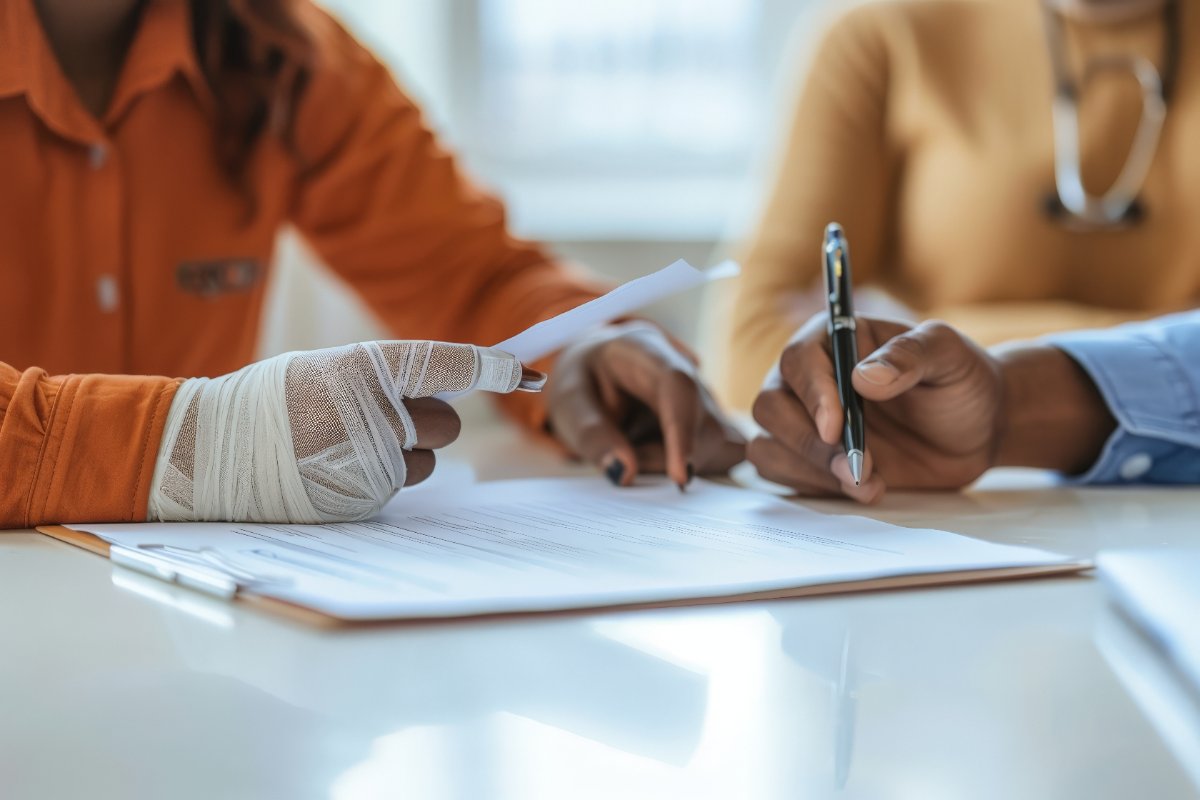 After an injury, one of the first questions people ask is how long it will take to receive compensation. They also want to know whether they will have to sit in a courtroom and testify before a jury.
Most personal injury claims never reach a full trial. Cases often settle, some early in the process and others after months or years of litigation. An Alabama personal injury lawyer can explain what stage your case is in and what may need to happen before it can be resolved.
Does every personal injury claim start with a lawsuit?
No. Many injury claims begin with an insurance claim rather than a lawsuit, and lawyers often try to negotiate a fair settlement before filing in court.
Before making a settlement demand, your lawyer may need time to investigate the accident and understand the extent of your injuries. It can be difficult to place a fair value on a claim while you are still undergoing treatment because no one yet knows what your recovery will look like.
Once enough information is available, your lawyer may send the insurance company a demand. The demand usually explains why the other party is responsible and describes the compensation being sought. The insurer can then accept the demand or respond with another offer.
How long can settlement negotiations take?
There is no standard settlement deadline for an Alabama personal injury claim. A relatively straightforward case may settle within several months, while a disputed claim can take much longer.
As a rough expectation, some injury cases resolve in about a year. The timing depends on factors such as how long medical treatment lasts and whether the insurer disputes responsibility. A serious injury can also take longer to evaluate because doctors may need time to understand the person’s long-term condition.
Moving quickly is not always the same as getting a good result. Accepting an offer before the full extent of an injury is known can leave an injured person responsible for expenses that were not considered when the settlement was reached.
When does an Alabama injury lawsuit have to be filed?
Settlement talks do not stop the statute of limitations. In many Alabama personal injury cases, a lawsuit must be filed within two years of the injury, although exceptions can change the deadline in some situations.
Prince Glover Hayes discusses this deadline in more detail in How Long After an Accident Can You Sue in Alabama?. Waiting for an insurance company to make a better offer does not give an injured person extra time to sue.
If negotiations are continuing as the deadline approaches, filing a lawsuit may be necessary to preserve the claim. Filing does not necessarily mean that the case will go to trial since settlement discussions can continue after litigation begins.
What happens after a lawsuit is filed?
The legal process starts when the injured party, called the plaintiff, files a complaint against the person or company they believe is responsible. Then the defendant has the opportunity to reply.
Usually, after the initial pleadings, the case moves into discovery. During discovery, both sides may request information from each other. Lawyers may also take depositions, which are question-and-answer sessions under oath to determine what the witnesses and parties know.
Discovery can take months. If someone is seriously injured or there is disagreement about how the accident occurred, it may take longer because both sides may require additional records or testimony from specialists.
Can a case still settle during discovery?
Yes. Filing a lawsuit doesn’t end settlement negotiations, and many cases settle while discovery is underway. Indeed, discovery may even make settlement more likely. Evidence gathered in the case could give both sides a better feel for what a jury would be hearing if the dispute went to trial. That can help the parties evaluate the risks of continuing.
An Alabama personal injury lawyer can discuss settlement offers with the client as the case develops. The decision whether to accept a settlement belongs to the client, not the insurance company or the attorney.
What happens at mediation?
Many personal injury lawsuits go through mediation before trial. Mediation is a settlement process in which a neutral mediator works with both sides to see whether they can reach an agreement.
The mediator does not decide who wins the case. Instead, the mediator assists the parties in discussing their positions and determining whether there is a settlement number with which they can both live.
A successful mediation resolves the dispute without a trial. If mediation doesn’t lead to a deal, the lawsuit can proceed to trial, and the parties can still negotiate afterward.
How is a trial different from a settlement?
With a settlement, the parties are in charge of the outcome as they agree on the amount and terms. When an injury case goes to trial, the decision is made by a judge or jury.
Both sides present evidence and cross-examine witnesses at trial. As a general rule, the plaintiff has the burden of proving the elements of the personal injury claim. The defendant can assert defenses and contest the plaintiff’s evidence.
For both sides, trials are uncertain. A jury could award the plaintiff more than the insurance company offered, less than what the insurance company offered, or no compensation at all.
How long can it take to reach trial?
A case that reaches trial often takes much longer than a claim that settles early. A rough timeline of two years or more is possible for a litigated injury case, though some cases move more quickly while others take considerably longer.
Court schedules can affect how soon a trial date is available. The amount of discovery and the number of disputed issues can also lengthen the process. Post-trial motions or an appeal can extend the case beyond the trial itself.
For that reason, no lawyer can promise that a case will settle within 12 months or reach trial within 24 months. Those figures can be useful as general expectations, but the facts of the individual case control the actual timeline.
Is settlement or trial better for your injury case?
There is no answer that works for every injured person. Settlements usually provide more certainty and can resolve a claim more quickly. A trial may be necessary where the insurer will not make a fair offer of compensation.
The strength of the evidence and the amount on offer can help form that decision. Your willingness to take risks and spend extra time on trial can also be a factor.
If you have been hurt because of someone else’s negligence, Prince Glover Hayes can tell you what to expect at every stage and help you assess settlement offers as your case moves forward. Contact Prince Glover Hayes or reach out online to speak with an Alabama personal injury lawyer about your claim and your options for obtaining compensation.
Disclaimer: Prince Glover Hayes has an office in Tuscaloosa, Alabama, and handles personal injury cases statewide. This article is an advertisement and is not intended as an offer of legal employment.