Common Injuries from Sideswipe Collisions and Who Is Liable
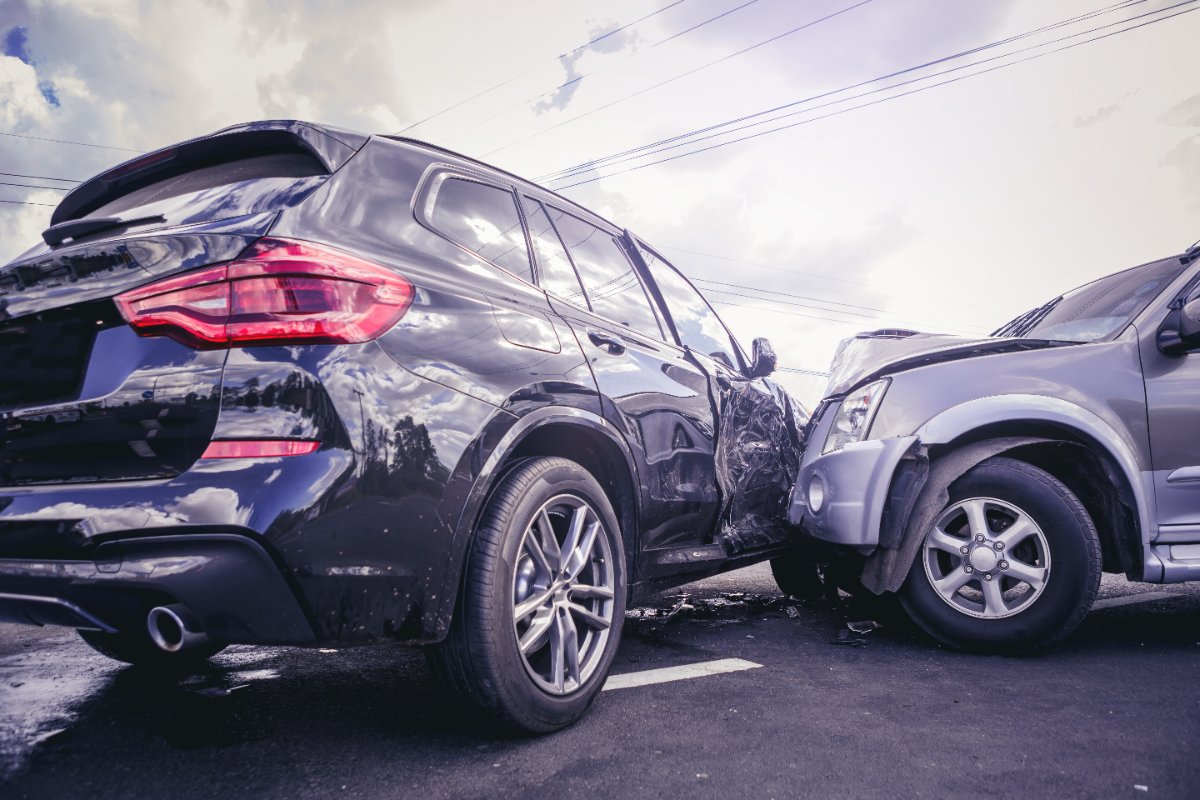 Common sideswipe collision injuries include whiplash, back pain, and headaches. Even when comparatively minor, they can be serious and interfere a great deal with your quality of life, relationships, and work. Sideswipe collisions can also lead to anxiety, panic attacks, and other emotional effects that interfere with daily life.
Liability and compensation may be complicated, particularly with the strict fault laws in Alabama. The liable party typically is the one who drove recklessly, jerked into another driver’s lane, or otherwise caused the crash, but Alabama follows pure contributory negligence. If an insurance adjuster argues, or a jury finds, that you were partly at fault, you might not be able to get compensation.
Are sideswipe collision injuries usually serious?
Often, yes, even those that insurance adjusters and others downplay. Take headaches and back pain. They can cause huge medical bills and affect your ability to bring in an income, care for your children, do housework, and socialize. You can be in immense pain for months with “manageable” injuries such as these:
- Neck strains
- Whiplash
- Shoulder pain
- Bruising
- Wrist or hand injuries
- Headaches
- Back pain
Sometimes, these injuries go away on their own with no further repercussions. Other times, they worsen, with the resulting inflammation, muscle spasms, or pain causing even more damage to your life. With this in mind, get medical attention right away, even if you think you haven’t been injured or that your injuries are minor. The forces involved in a sideswipe collision can cause occupants to jerk sideways or slam into doors, windows, seatbelts, and steering wheels.
Sideswiped car injuries can be serious right from the start, of course. A person can suffer trauma such as:
- Spinal cord injuries
- Brain injuries
- Internal bleeding
- Rib or pelvic fractures
- Facial injuries from shattered glass
- Shoulder dislocations
Catastrophic injuries are possible, especially if a person gets shoved into another lane and endures a second, harder collision. Examples of catastrophic injuries include traumatic brain damage, spinal cord injuries (paralysis), internal organ damage, amputations, crush injuries, and burns from fires.
Who is liable for sideswipe collision injuries?
Much of the time, liability depends on who drove unsafely and caused the crash. A driver who did not check blind spots before changing lanes could be liable. The same applies to a driver who tried to pass aggressively or who failed to signal. Distracted drivers can be liable in many ways, for example, drifting into another lane due to checking their phone, opening a bottle of soda, or reaching into the back seat for something.
That said, there can be a bigger picture to liability. Situations involving commercial drivers are a good example. A trucking company, alongside the driver, could be liable in a sideswipe due to its responsibility for the employee’s negligence. Its liability could increase if it were also directly negligent, for example, not adequately training the driver or pushing the driver to keep going despite laws on fatigue and rest.
Car accident lawyers investigate liability and identify all potential parties who could be responsible. Some investigations have uncovered such liable parties as major vehicle manufacturers whose faulty tires, steering-assist systems, or other components contributed to a crash. Even some government entities or contractors may come under liability scrutiny because bad lane markings or poorly designed construction zones, among other hazards, can be dangerous.
Can you be injured, share liability, and recover damages?
In many states, yes, but Alabama is different. In states with less restrictive comparative negligence, you can be, say, 30% at fault and recover proportional damages as long as you’re 50% or less at fault. Not so in Alabama, where compensation can remain out of reach for people whom insurance adjusters argue, or courts find, are even 1% at fault.
Of course, liability often is not straightforward or black and white, even with apparently compelling evidence such as dashcam footage. There can be many ways to interpret photos, videos, medical records, and other evidence.
Alabama car accident lawyers know the system and that insurance companies can come out with overstated liability as a negotiating tactic. Even with the state’s strict laws, many people who think they share a small amount of liability end up being able to recover damages. Much depends on keeping an open mind about your own fault, letting an investigation proceed fully, and gathering solid evidence to support your claim.
If you have anxiety or mental distress from sideswipe collision injuries, could you get compensation from the liable driver?
Often, yes. These are real damages, as are related effects such as insomnia, depression, panic attacks, and PTSD. Just like a physical injury, such as a rib fracture, can affect your ability to work, so can depression. In fact, in Alabama, nearly 25% of adults report that a health professional has told them they have some type of depression. You do still need evidence of the connection to the sideswipe collision. It could take the form of:
- Therapy records
- Journal entries about panic attacks or problems sleeping
- Medical notes and diagnoses
- Statements from colleagues, family, and friends about how you have changed after the collision
How might insurance adjusters argue you are liable (or share liability)?
They might say you were speeding or on your phone before the crash. They could point to the damage on your vehicle or to video footage to support liability. In short, there are many reasons they can use to argue some liability.
One example is to show that even if you were going 5 mph over the speed limit, that does not automatically mean you share liability. Evidence may show the crash would have happened anyway due to the other driver’s negligence.
Reach out to Prince Glover Hayes
It can be scary and confusing when you’re hurt and perhaps being told you do not qualify for help. To protect your rights, consult with car accident attorneys, especially if insurance or the other driver disputes liability, you’re injured or getting worse, commercial vehicles were involved, or you’ve missed work.
Many people try to downplay common sideswiped car injuries, but even relatively small ones can end up having huge effects. Contact us today to discuss your options.
Disclaimer: Prince Glover Hayes has an office in Tuscaloosa, Alabama, and handles car accident cases statewide. This article is an advertisement and is not intended as an offer of legal employment.