
How Black Box Data Is Used in Alabama Truck Accident Lawsuits
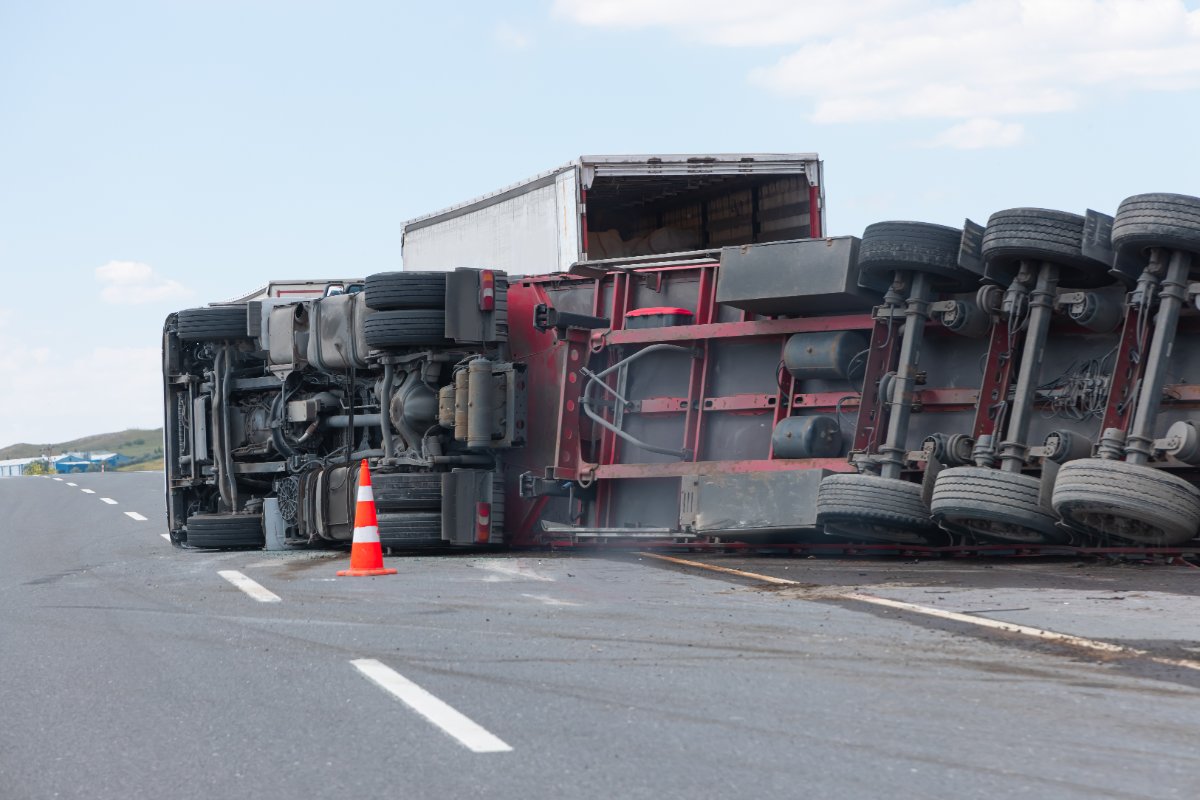 Objective evidence, such as the speed of a truck and whether a truck driver applied the truck’s brakes, is often persuasive in truck accident cases. Trucks, cars, and other vehicles now regularly use black boxes, also called event data recorders (EDRs), to capture data about a truck’s path before an accident, while the collision happens, and immediately after the accident.
Our Tuscaloosa truck accident lawyers understand how to access black box data, how to analyze the data, and how to use the data in court.
What is a black box?
According to the National Highway Traffic Safety Administration (NHTSA), an EDR is a device that is installed in a motor vehicle to record and help show how accidents happen. EDRs use sensors to monitor truck movements and actions. The EDRs store the data when an accident occurs – usually starting with a specific triggering event, like fast acceleration or deceleration.
Black boxes, depending on the severity of the crash and other factors, should be designed to withstand the forceful impact of a truck accident. EDRs do not capture audio or video. They are not electronic logging devices. They capture accident data.
EDRs generally record data for a few seconds before the actual impact and a few seconds after the impact. While some crash data is locked upon impact, other critical data can be overwritten by continued use of the truck. This makes immediate legal intervention essential to preserve the evidence.
The type of black box a truck has depends on the type of truck, the model of the truck, how new the truck is, and whether the truck is required to have a black box. Most modern commercial trucks are manufactured with electronic control modules that function as black boxes, though they are not currently required by federal law for all vehicles over 10,000 pounds.
What types of information does a black box capture that can help my truck accident case?
Trucks, depending on the type of truck, the manufacturer, and the model, can capture the following useful truck accident information:
- How fast was the truck traveling?
- Whether the truck was accelerating or decelerating.
- Whether the truck driver applied the brakes and how hard the driver applied the brakes.
- Steering changes, which can help show if a driver turned or swerved before the accident.
- Whether the driver was using a seatbelt.
- Whether the airbags, if any, deployed.
- The throttle position and the engine’s RPM (revolutions per minute), which can help show if the driver was in control of the truck before the accident and how the driver responded when the danger was clear.
- Yaw rate and lateral acceleration, which can show other movements and forces on the truck.
- Activation of an automatic collision notification (ACN).
Some black boxes may also be able to capture GPS coordinates.
What does the black box data show?
At Prince Glover Hayes, we work with technicians and truck safety experts to analyze the black box data. EDR data can help your truck accident case in the following ways:
- Help a traffic reconstruction expert who can use the data and other evidence (video, investigations, police reports, witness statements, and discovery evidence) to show the cause of the truck accident
- It can support your version of the accident
- It can affect the credibility of the defendant’s positions
- The data can help show the path of the truck and the actions that the truck driver took before the accident
- It can help show if a driver was speeding or violating other Alabama traffic laws
Black box, ECM, diagnostic, or telematics data may also help identify vehicle problems, fault codes, maintenance issues, or evidence that the truck was not properly inspected, maintained, or repaired. Some black boxes even provide alerts that truck maintenance is necessary.
How do you access black box data?
It’s important that you contact an experienced truck accident lawyer immediately to preserve the black box data. Our Tuscaloosa truck accident lawyers will send a “spoliation” letter to the trucking companies (or their lawyers), demanding that the trucking company preserve the black box data.
We may request access through discovery, subpoenas, or an agreed inspection. If the trucking company refuses to preserve or produce the data, we can ask the appropriate Alabama court to compel access. Technicians understand what hardware and software are necessary to access the data.
The black box data is just one part of the liability part of your claim. We coordinate the black box data with the rest of our investigation and our work with liability experts to present as strong a case as possible. Because black box data is captured at the time of the accident and because it’s data-driven, black box data can be very persuasive with insurance adjusters, defense lawyers, judges, and juries.
Get help from our Alabama truck accident attorneys today
Truck accident cases often involve multiple defendants, including the truck driver, the company that owns the truck, and the companies involved in the shipment. Each defendant will blame the other. It’s important that you have an experienced truck accident firm working for you to obtain the evidence you need, determine your financial and personal damages, and seek a strong settlement or a jury verdict.
At Prince Glover Hayes, we have 45 years of experience and the working relationships to hold those responsible for truck accidents accountable.
Call us or use our contact form to schedule a free consultation. We handle truck accident claims on a contingency fee basis. Our office is located in Tuscaloosa, Alabama, at 2311 University Boulevard, Suite A, Tuscaloosa, AL 35401.
Disclaimer: Prince Glover Hayes has an office in Tuscaloosa, Alabama, and handles truck accident cases statewide. This article is an advertisement and is not intended as an offer of legal employment.